Dota 2 Trading Safety: Scams, Trade Holds and Fake Items
How to protect a Dota 2 inventory: Steam Guard holds, phishing and API key scams, fake lookalike items, and a checklist to run before every trade.

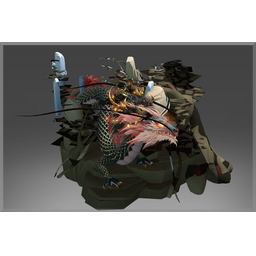
In July 2018, Dota 2 players started reporting that they'd bought Dragonclaw Hooks that weren't Dragonclaw Hooks. The items had the right picture and the right description. They even appeared on the Steam Community Market under a Dota 2 logo. But they belonged to Climber, a $1 Early Access game that had launched that May and quietly added a counterfeit hook to its item list. PC Gamer reported that Climber vanished from Steam less than a day after the Dota 2 logo appeared on its page.
The fake was clever, but the defense was simple: check which game an item belongs to, not what it looks like. Most Dota 2 trading losses work the same way. They exploit a check the victim skipped.
Lock down the account first
Steam's security rules are annoying until the day they save your inventory.
- Turn on the Steam Guard Mobile Authenticator and leave it on. If it hasn't been active for the past seven days, items leaving your account in a trade are held for up to 15 days. Since 2016 the same kind of hold has applied to Community Market listings.
- Use mobile confirmations properly. The confirmation screen shows who receives your items and exactly what's moving. Read it every time.
- Expect restrictions after changes. Removing the authenticator, resetting a password or approving a new device can temporarily block trading. Plan big trades for when your account has been stable for a while.
Trade holds exist so you can cancel a trade if your account is compromised. They're a safety net, not a reason to skip the authenticator.
The scams that keep working
Fake login pages
The most common route to a stolen inventory is a fake Steam login page. It might arrive as a tournament vote, a giveaway, a "free skins" site or a marketplace that looks almost right. Before typing a password, check that the address bar shows steamcommunity.com or store.steampowered.com. Logging in by scanning a QR code with the Steam app avoids typing a password at all.
API key theft and lookalike offers
A Steam Web API key lets a program see and manage your trade offers. A scammer who gets yours, usually through a phishing site, can watch for an incoming offer, cancel it and instantly send you a copy from an account with the same name and avatar as your trade partner. You confirm what looks like your trade and the items go to the scammer.
Check the Steam Web API key page in your account settings. If a key exists that you didn't create, revoke it and change your password.
"Your account was reported"
Someone messages you claiming your account was reported, or that an item was sent to you by mistake, and you need to "verify" with Steam support. Valve support doesn't contact you through friend requests or chat. Anyone who asks you to move items to prove ownership is stealing them.
Trades that include money
A Steam trade moves items, and that's all it protects. Any deal where one side sends cash, PayPal or crypto "after", or where a "middleman" holds items, sits completely outside Steam. Use a marketplace that holds the item or the money until both sides deliver.
Fake and misleading items
The Climber hook was an extreme case. Everyday versions are subtler:
- Wrong game. Your Steam inventory shows which game an item belongs to. A Dota 2 item lives under Dota 2.
- Wrong variant. An Inscribed or Autographed copy is a different item from the standard one, sometimes worth less.
- Unverified effects. For Unusual couriers, inspect the effect and color in the item details. Don't take a screenshot's word for it.
- Hidden limits. Some items, including many Collector's Cache sets, can only be gifted once, and some carry a "Tradable after" date. Check the item's tags before you pay.
Know what a fair price looks like
Scams love urgency and discounts. On October 14, 2026, the real Dragonclaw Hook had a lowest Steam ask of $351.76, 30 Steam listings and 4,504 buy orders topping out at $316.50. The cheapest cash-marketplace listing was $279.46 on LIS-SKINS. Anyone offering one far below that range is selling something other than a Dragonclaw Hook, or no hook at all.
Price-check before you agree to anything. The comparison page shows current prices for the same item across ten marketplaces in one view.
Trades are final
Treat every accepted Dota 2 trade as permanent. Steam's holds give you time to cancel before delivery, but once items are delivered there's no undo button. Since March 9, 2016, Steam Support has not restored items that left an account through a successful trade or market sale. Valve said restoring them created duplicates that hurt every other owner's scarcity. Valve's Trade Protection system, which lets some trades be reversed for a week, was built for Counter-Strike 2. Don't assume a Dota 2 trade can be rolled back.
Buying and selling off Steam
Expensive Dota 2 items often can't trade on Steam at all. Valve caps a single market listing at $1,800 and a wallet balance at $2,000. Above that line, deals move to third-party marketplaces and private trades, and that's where scams concentrate.
Before using a marketplace:
- Type the address yourself or use a saved bookmark. Copycat domains are common.
- Compare reputations. The marketplaces overview lists each platform's type, fees, payout methods and review ratings.
- Understand delivery. Bot marketplaces deliver from their own inventory. Peer-to-peer sites wait for a seller to send the trade. Know which you're using.
- Read withdrawal rules first. Identity checks, minimums and payout fees are easier to learn before you've sold anything.
The Steam Market page explains what you get and give up by staying on Valve's own market: wallet-only proceeds and a 15% fee, but no counterparty risk.
A checklist for every trade
- Is the mobile authenticator active, and has it been for at least a week?
- Did you open this site or offer yourself, rather than through a link someone sent?
- Does the confirmation show the right recipient, with a profile you recognize?
- Is every item the right game, quality and variant, with no "Tradable after" or gift-once limits you weren't told about?
- Does the price make sense against current listings on several marketplaces?
- If money is involved, is a marketplace holding it, rather than a promise?
If any answer is no, stop. A trade you skipped costs nothing. A trade you can't undo can cost the whole inventory.