A History of the Dota 2 Cosmetics Economy, 2011 to 2026
How Dota 2's cosmetics economy grew from beta-era drops into a multi-marketplace market: the Steam Market, Compendiums, trade holds, re-releases and today.

Dota 2's cosmetics economy wasn't designed in one go. It was assembled piece by piece: a trading system borrowed from Team Fortress 2, a market that opened in stages, a crowdfunding model that turned cosmetics into prize money, and a string of security rules written after things went wrong. Each layer still shapes how items are priced today.
2011 to 2012: drops, trading and a beta
Dota 2 made its public debut at the first International in August 2011, with a $1.6 million prize pool. During the long beta that followed, cosmetics arrived through random drops and the in-game store, and players swapped them through Steam trading, the same system Team Fortress 2 players already used. By December 2012, Valve said Steam users were making more than half a million trades a week.
Two things from this period still matter. Some items released then became legends, most famously Pudge's Dragonclaw Hook, released in July 2012. And the first seasonal events started minting scarce trophies. The Golden Baby Roshan went to the fastest Roshan killers in Diretide 2012.
2013: the market opens and the rules form
2013 was the year Dota 2's economy took its modern shape.
- A market in stages. Valve launched the Steam Community Market in beta on December 12, 2012, for Team Fortress 2 only. On January 29, 2013, Dota 2 gifts became sellable, but only gifts restricted from use in China. Wider Dota 2 support followed during the year.
- A lesson in scarcity. In late February 2013 the Dragonclaw Hook started dropping by accident. Valve pulled it from the drop list on February 28 and changed its rarity from Mythical to Immortal. Thirteen years later it is still one of the most valuable items on the market.
- The first Arcana. Lina's Fiery Soul of the Slayer arrived on March 7, 2013, establishing the top rarity tier.
- Cosmetics as prize money. In May 2013 Valve released the Interactive Compendium for The International, sending 25% of each purchase to the prize pool. TI 2013 finished at $2,874,380, up from a $1.6 million base.
- Store items move to the market. The First Blood update removed many items from the store and made them buyable and sellable on the Community Market, with Workshop creators receiving a share of each resale.
- Gems. Gems arrived in November 2013, letting players socket particle effects, colors and stat trackers into items.
By the end of the year the core loop was in place: Valve and Workshop artists create items, events and treasures distribute them, and the Steam Market prices them with a fee on every sale.
2014 to 2019: the boom years
The Compendium, renamed the Battle Pass in 2016, turned The International into a cosmetics event. Prize pools passed $10 million in 2014, $20 million in 2016 and $30 million in 2019. Each summer brought Immortal Treasures, Arcanas and, by 2017, a Collector's Cache of community-voted Workshop sets.
Arcanas split into two streams. Store Arcanas, sold from 2013 to 2019 with Exalted editions for early buyers, were tradable and plentiful. Battle Pass Arcanas, unlocked by levelling, were bound to the account.
Security reshaped the market in the middle of this run. In December 2015 Valve introduced the Steam Guard Mobile Authenticator and trade holds. On March 9, 2016, holds for accounts without the authenticator grew to 15 days, Community Market listings got holds too, and Steam Support stopped restoring items that had left an account through a successful trade or sale. Valve said restoration had been creating duplicates that eroded every other copy's scarcity.
Steam's own limits pushed the high end elsewhere. Valve caps a single listing at $1,800 and a wallet balance at $2,000, and Steam proceeds can't be withdrawn. Trades in items worth more than that moved to third-party marketplaces, which grew into a parallel market priced in cash.
2020 to 2022: the peak and the turn
The Battle Pass model peaked with The International 10, whose prize pool passed $40 million in 2021. Valve also ran off-season passes, such as Aghanim's Labyrinth and Nemestice, each with its own Immortal treasure.
Then the numbers turned. The International 2022's prize pool was about $18 million, less than half the previous year's.
2023 to 2025: no more Battle Pass
In 2023 Valve ended the Battle Pass, saying most players never bought one and that the development time was better spent on updates every player could use. TI 2023 got a smaller Compendium with no Immortal Treasures and no Arcanas, and the prize pool landed near $3 million.
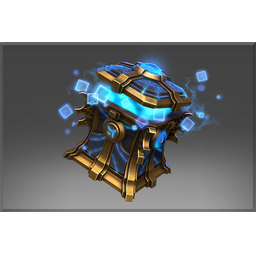
Cosmetics moved to standalone releases: Collector's Caches sold on their own, the Crownfall event in 2024, Heroes' Hoard treasures, and holiday chests. Two shifts defined the market in this era.
- Re-releases. Valve began returning former Battle Pass Arcanas inside tradable sets. King Kringle (December 2023), Fluttering Breeze (Winter 2024) and Intergalactic Orbliterator (around TI 2025) each grant a once-exclusive Arcana. "Exclusive" stopped meaning permanent.
- Tradability as a dial. New releases increasingly arrived with delayed tradable dates, gift-once rules or no market access at all. The free TI 2025 event, for example, handed out Arcana Tokens whose Arcanas can't be traded.
2026: where things stand
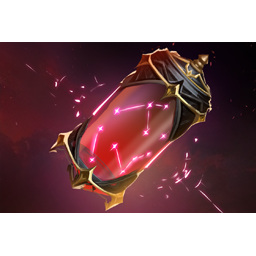
TI 2026 took place in Shanghai from August 13 to 23. Its Treasure of the Crimson Witness went to attendees, as every edition has, and then reached the market. On October 7, the Trove of Terror added Tidehunter's first Arcana, the first new Arcana since Crownfall's in April 2024, and brought back Drow Ranger's.
On October 13, dota2skins.gg went live, tracking about 45,800 Dota 2 items across ten marketplaces. A snapshot from the next day:
- Listed value: Dota 2 items listed on Steam added up to $2,445,693.93 across 33,381 items, based on lowest asks times active listings. The market cap page tracks it hourly.
- The old guard: The Dragonclaw Hook listed at $351.76 with 4,504 Steam buy orders.
- The first Arcana: Fiery Soul of the Slayer listed at $25.39, a reminder that being first doesn't make an item scarce.
- Ten order books: Steam alone carried more than nine million Dota 2 listings, while cash marketplaces often undercut its prices. The marketplaces overview compares them.
Steam price history on the site is still backfilling, so a full picture of the market's past prices is still being reconstructed.
The through-line
Fifteen years of changes come down to a few constants. Scarcity sets prices, and Valve controls scarcity through drops, retirements and re-releases. Fees and wallet rules determine where trades happen. And whenever trust broke, through hijacked accounts, duplicated items or counterfeit lookalikes, Valve responded with rules that every trader still lives with.