A Short History of Rust Skins, From Timed Drops to Today
From the first Steam inventory drops in 2015 to the weekly store, permanent store, Twitch drops and Premium servers: how Rust's skin economy took shape.

Rust went on Steam Early Access in December 2013 without any skins at all. Today its tradable cosmetics carry an estimated combined market cap of about $172.8 million, according to rustskins.gg as of October 14, 2026. The path between those two points ran through a handful of decisions by Facepunch, most of them explained at the time in devblogs. Here is the short version.
2015: Drops, the Workshop and a first store
Steam inventory arrives
Devblog 69, published on July 16, 2015, connected Rust to the Steam inventory. The first items were cosmetic clothing: a few t-shirts, long-sleeved shirts, a pair of jeans and some jackets, awarded at random based on playtime. Receiving one let you craft that item on any server. Facepunch said the only ways to get them were "random timed drops, trading or buying from other players," and described the system as "a card collecting game where the cards are something you actually want."
Community skins
Two weeks later, Devblog 71 (July 30, 2015) introduced a Workshop SDK so players could design skins. Facepunch said it was "looking at the same model as CS:GO": the community votes, Facepunch curates. By Devblog 74 in August, the plan was explicit: sell Workshop skins in game, "like in CS:GO and TF2," to reward contributors.
The first Steam item store
In November 2015, Valve launched Item Stores, letting developers sell items directly on a game's Steam page. Rust was the first game to use them. As quoted by PC Gamer at the time, Garry Newman explained that "items will come and go from the item store, but they'll be available on the market as long as people are selling them." That sentence still describes the Rust economy.
Some of the oldest items from that year now carry the highest asking prices in the game. Several items dated October 29, 2015 in rustskins.gg's data, including the Zipper Face, Horror Bag and Creepy Clown Bandana, have estimated supplies between 67 and 215 copies. As of October 14, 2026 they ask between about $970 and $1,710 on Steam, on just two to five listings each.
2016 to 2017: The early classics and a pricing ladder
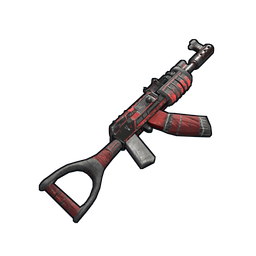
Many of the skins collectors chase today were released in this window, according to rustskins.gg's item data. The Big Grin dates to November 2016 and, as of October 14, 2026, lists at $1,100.00 with about 1,283 copies. The Fire jacket followed in January 2017, the Alien Red in February and the Glory AK47 in April. The Christmas Lights deployable arrived in December 2017 and still ranks in the top 40 items by market cap.
Store pricing gets a system
In January 2017, Facepunch reworked store pricing. Devblog 142 (January 5) explained that cheap launch prices made about as much money as higher ones, and noted that "people want their bought skins to be worth trading and selling after we stop selling them." A week later, Devblog 143 set out the system. New skins started cheap and got more expensive each weekly cycle, moved into a "Leaving Soon" section, and left after seven cycles.
Crates without keys
Facepunch's old Workshop FAQ describes a crate system unlike CS:GO's. Crates were "crafted for free by breaking down other items in your inventory," and Facepunch declined to sell keys: "Keys don't sit right with us." The item catalog still lists three Steam inventory resources from that era: cloth, wood and metal.
Quality-of-life changes
Devblog 146 in February 2017 reworked how skins are applied. Quick craft started remembering your last chosen skin, and players began respawning with their chosen rock skin. In May 2017, Devblog 161 added reskinning at the repair bench, free at the time.
2018: Leaving Early Access
Rust left Early Access on February 8, 2018. Devblog 197 marked the day by giving Frog Boots to players who had supported the game during Early Access. The item catalog estimates about 76,032 pairs exist, but none are listed on any marketplace as of October 14, 2026, which fits a non-tradable thank-you gift.
2020: Twitch drops
On November 12, 2020, Facepunch enabled Twitch drops for all Rust streamers for the first time. Three Twitch-themed items were up for grabs until November 19. Drops became a regular fixture, but Facepunch's wiki is clear that drop skins are "account bound and can not be traded or sold." They added a large category of cosmetics that sits outside the market entirely.
2021: Big sets and the permanent store
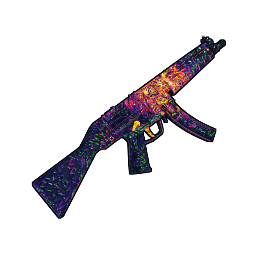
Much of today's market value comes from 2021 store releases. The Whiteout, Desert Raiders and Forest Raiders sets all launched that year as cheap limited skins. They now dominate the top of the market cap ranking, led by the Forest Raiders Roadsign Pants.
On November 18, 2021, Facepunch launched a permanent store for premium items, starting with the Nomad hazmat skin. These items "will not be able to resold on the Steam marketplace," in Facepunch's words, and can't be traded. The store became two halves: limited skins that trade, and permanent items that don't.
2022 to 2026: Tools, gates and new formats
- February 2022: The Arctic Update added the Spray Can, crafted for 100 metal fragments, which reskins placed items without picking them up.
- March 2025: Facepunch launched Premium servers, open only to players whose Rust inventory is worth at least $15. Facepunch called it an experimental way to filter out cheaters, and it tied inventory value directly to where you can play.
- June 2026: The Built Different update shipped Facepunch-made skins with unique animations, let players inspect skins in their hand from the store, and announced plans to revive the Rust Premium name for a monthly opt-in system later in the year.
Where that leaves things
The weekly limited store is now the main source of new tradable skins. Each set is on sale for about a week, a much shorter run than the seven-week ladder of 2017. That shorter window means supply is set by one week of demand, which is why first-week buying shapes prices so strongly.
The long arc is easy to see on rustskins.gg's daily market cap chart, which goes back to the Steam inventory launch in July 2015. To see where the market stands today, the market cap and trending page ranks every priced item. The price comparison tool shows what any of these historic skins costs across marketplaces right now.